
Menu

- Monday - Saturday 09:00 AM- 8:30 PM
- Sunday - CLOSED

- +91 9319211545
- info@drrajeshmalhotra.com

- A -71, Second Floor, Rajouri Garden
- Metro Station, Delhi - 110027, INDIA
 93192 11545
93192 11545
93192 11545


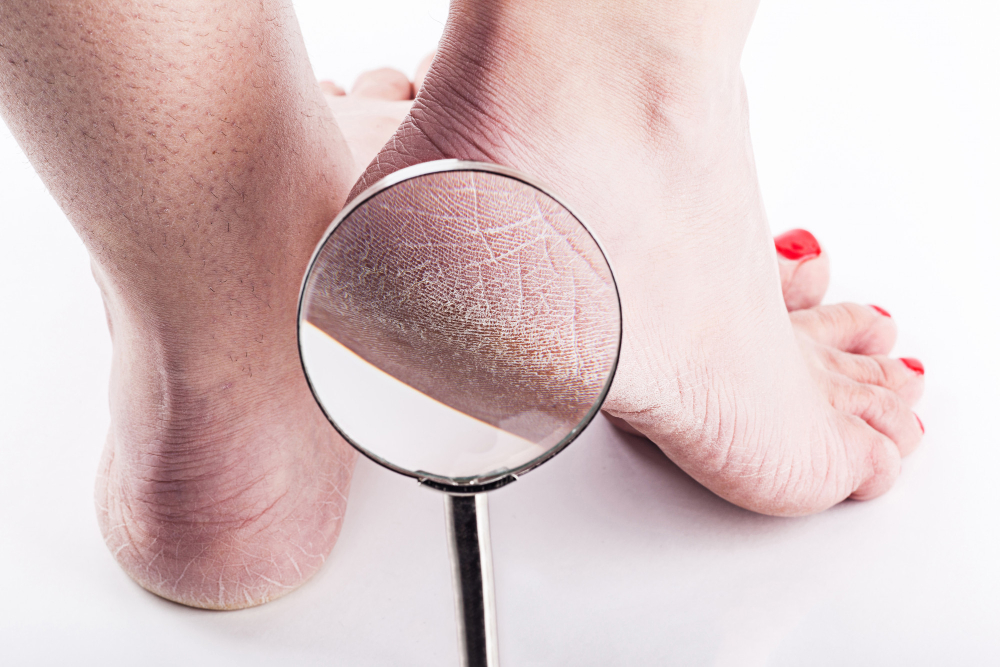
The lack of moisture on feet creates frequent problems which may result in uncomfortable itching and dangerous cracks if proper care is not provided. The majority of people concentrate their attention on facial and hand care yet foot health remains equally vital. The practice of proper foot care maintains skin health while stopping infections and creating better overall health conditions.
This article discusses dry feet origins and prevention strategies and professional foot care advice to maintain soft and healthy feet.
Suggest to Read :- How Can Spine Issues Cause Leg Pain And Discomfort
Our feet naturally experience drier skin since they do not contain oil glands. Sweat glands serve as the only source of moisture for feet because they lack oil glands.
Dry skin develops due to multiple reasons such as:
Identifying the root causes of dry skin enables patients to develop proper prevention strategies and treatment plans.
Curing conditions becomes more difficult than preventing them from happening in the first place. Simple lifestyle adjustments together with proper foot skincare routines will maintain your foot skin hydration while keeping it soft.
Daily foot washing should use lukewarm water with mild soap followed by gentle drying. Gentle patting dry of feet is essential to prevent fungal infections especially in the toe area. Right after drying your skin apply a thick hydrating foot cream or petroleum jelly to maintain moisture.
Dead skin accumulation on dry feet causes the development of rough areas which eventually create cracks. Apply a foot scrub or pumice stone to your feet twice per week for dead skin removal which enhances foot smoothness. The practice of exfoliating should be limited because it could lead to skin irritation.
The correct footwear combination of comfortable shoes with breathable materials helps your feet stay hydrated while decreasing skin friction. Walking without shoes on rough surfaces should be avoided because it makes dryness worse.
Maintaining hydration from inside your body remains equally important to the external foot care you perform. Your skin including feet will stay moisturized naturally when you drink enough water.
Before going to bed apply a dense moisturizer layer or foot balm followed by cotton socks to create a barrier that locks in overnight moisture thus producing soft feet in the morning.
The combination of coconut oil, olive oil and aloe vera functions as natural remedies which both hydrate skin deeply and calm dryness. Massage a few drops onto your feet before bedtime for best results.
You should consult a doctor about your dry feet when standard care methods fail to work or when you notice deep cracks along with bleeding or signs of infection. Medical conditions such as diabetes or eczema need specialized treatments so people should consult with dermatologists or podiatrists for proper prevention of complications.
People tend to overlook foot care in their daily skincare practices even though healthy feet play a vital role in maintaining general wellness. Proper foot care techniques combined with preventive measures will help you achieve soft hydrated feet without any problems.
Dr. Rajesh Malhotra stands as an expert dermatologist and foot specialist whom you can trust for professional foot healthcare advice. Your feet need the highest quality care that you should begin implementing right now.
Copyright @2026 Design By DigitalNetIndia


