
Menu

- Monday - Saturday 09:00 AM- 8:30 PM
- Sunday - CLOSED

- +91 9319211545
- info@drrajeshmalhotra.com

- A -71, Second Floor, Rajouri Garden
- Metro Station, Delhi - 110027, INDIA
 93192 11545
93192 11545
93192 11545


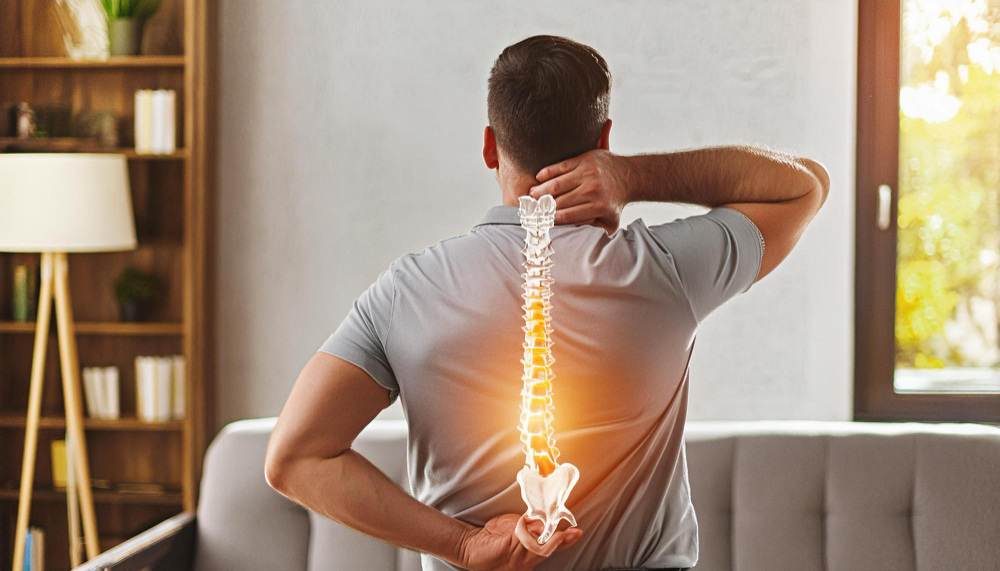
Lower back pain it struck almost everyone at some point whether it's just a dull each other sharp debilitating pain it can disrupt your daily routine and impact your quality of life. But you might be wondering what causes it and how you can manage it effectively. In this guide you can dive deep with the understanding and conquering lower back pain helping you regain quality of your life
Lower back pain is a common and a musculoskeletal issue that impacts millions of people globally. Understanding the causes treatment options and preventive measures is important for effective management and improving your overall well being.
Understanding lower back pain
To understand lower back pain it's very important for you to know the basic anatomy of your lower back. The lower back or the lumbar region is composed of several critical components like the lumbar spine consists of 5 vertebrae labeled L1 to L5 and the bones provide you structural support and protect the spinal cord. Then you need to know about the in vertebral discs which are cushioned like pads between the vertebrae that work like shock absorbers and they have soft gel like center called the nucleus pulposus a tough outer layer known as the annulus fibrous. There are several muscles and ligaments which support the spine and allow for movement. The muscles generally include large erector spiny which help you maintain posture and also provides you spinal stability. The lumbar spine houses your spinal cord and nerves that branch out to the lower body controlling movement and sensation
Causes of lower back pain
Identifying the risk factors
Diagnosing and treating your lower back pain
Knowing when to seek medical attention for your lower back pain is really important. You should see a doctor if your pain is completely severe persistent or even accompanied by some symptoms. You can feel numbness especially in the legs or feet which can indicate nerve compression. At times there can be bladder or bowel dysfunction. You can have fever combined with back pain which can indicate an infection. There can be an unexplained weight loss which can signal an underlying condition like tumor or infection.
All you need to know that lower back pain is a prevalent and often debilitating condition but understanding the causes and the treatments can empower you to manage and reduce its impact on your life. From strengthening your core and maintaining good posture to exploring medical and alternative treatments there are different ways for you to address your lower back pain. By just staying informed and proactive you can take control of your health and improve the quality of your life. Dr. Rajesh can help you in the right way !
Copyright @2026 Design By DigitalNetIndia


