
Menu

- Monday - Saturday 09:00 AM- 8:30 PM
- Sunday - CLOSED

- +91 9319211545
- info@drrajeshmalhotra.com

- A -71, Second Floor, Rajouri Garden
- Metro Station, Delhi - 110027, INDIA
 93192 11545
93192 11545
93192 11545


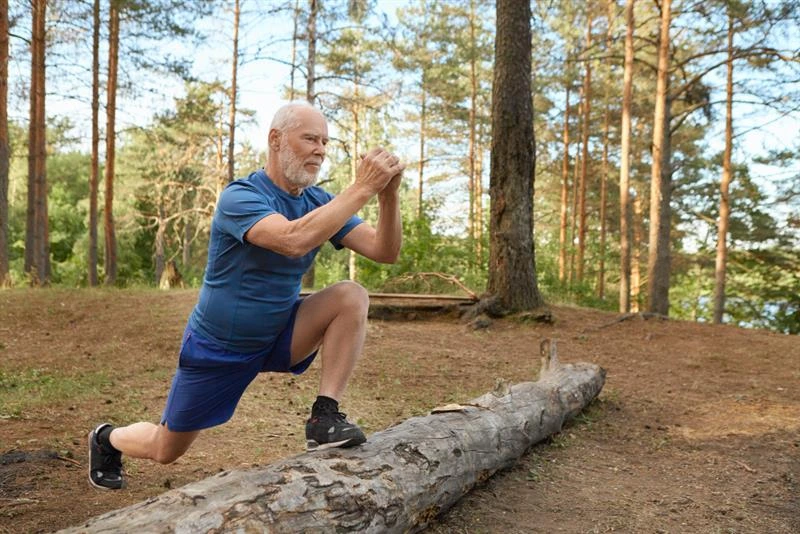
You might not notice them much, but your joints are the real heroes of your body. They allow you to walk, bend, lift, dance and fully enjoy life. As you get older, your movements may become less smooth and can start to feel uncomfortable. Most people focus on joint health when there are issues, but wouldn’t it be better to keep your joints healthy and strong for years?
It doesn’t matter if you’re in your 40s or your 70s; you can always start caring for your joints. Dr. Rajesh Malhotra, an expert, explains how to maintain and protect your joint health.
As we get older, the cartilage that protects our joints starts to deteriorate. The regular wear and tear on joints, as well as the natural aging process, can result in discomfort, stiffness and osteoarthritis. Good joint health is important for both moving freely and being independent as we age. If you don’t care for your joints properly, you may experience chronic pain, less activity and even become disabled.
Proper joint health allows you to continue gardening, traveling or effortlessly climbing stairs. Early attention to health can help you enjoy your later years more than if you did not.
Aging can change joints in a number of ways.
Knowing about these changes explains why it’s important to be proactive about your health as you age.
Easy habits you do each day can help keep your joints healthy:
Following these habits regularly helps your joints move easily and without pain.
Exercise helps your heart and waist, but it’s also important for your joints. The main benefits are:
Walking, swimming, cycling and yoga are gentle on your joints and very effective. Resistance training makes your muscles stronger which helps keep your joints stable. A little bit of exercise every day can add up and be noticeable after some time.
Your joints depend on a healthy diet to stay in top shape. Make sure your diet is full of anti-inflammatory foods.
Avoid eating processed foods, too much sugar and saturated fats, as they can make your joint pain worse. Drinking water helps keep your joints lubricated, so choose it over other drinks.
Having extra pounds on your body adds extra pressure to your knees, hips and lower back. Every extra kilogram you carry adds about four times the pressure on your knees when you walk or climb stairs.
Losing a little weight can greatly reduce joint pain and the chance of getting osteoarthritis. Taking care of your joints can be simple if you eat mindfully and exercise regularly.
Suggest to Read :- Understanding And Treating Complex Fractures
Keeping good posture is important for your joints, not just for your appearance. If you have poor posture, it can cause your joints and muscles to become strained, leading to ongoing pain and problems with your body’s alignment.
How to improve your posture and ergonomics:
Set up your desk in a way that is comfortable for your joints and you will appreciate it as time goes on.
A balanced diet is the best way to get nutrients, but supplements can help if you are missing some. Some of the most common joint-supporting supplements are:
Before you start using supplements, it’s important to talk to a healthcare professional like Dr. Rajesh Malhotra to find out if they are right for you.
You should not have to accept joint pain as something you can’t change. If you feel you need help, talk to a professional.
If you get treatment early, you can stop joint damage and enjoy a better quality of life. If you need lifestyle tips, physical therapy or advanced orthopedic care from an experienced specialist.
Aging doesn’t always lead to pain. If you follow the right habits, eat well, stay active and get support, your joints will likely remain strong and free from pain as you age. It’s always better to prevent problems than to treat them and you should start now.
At our clinic, we support you in moving better, feeling stronger and aging gracefully. Our focus on joint health, orthopedics and individual rehabilitation is meant to aid you throughout your life.
Copyright @2026 Design By DigitalNetIndia


