Menu

- Monday - Saturday 09:00 AM- 8:30 PM
- Sunday - CLOSED

- +91 9319211545
- info@drrajeshmalhotra.com

- A -71, Second Floor, Rajouri Garden
- Metro Station, Delhi - 110027, INDIA
 93192 11545
93192 11545
93192 11545


Winter may be especially tough on joint/bone health. With lower temperatures, most individuals complain of stiffening of their joints, body aches, and diminished mobility despite not having any previous injury. Cold climate influences muscles, ligaments, circulation, and already existing orthopedic conditions, and hence winter is a crucial period when one must pay attention to joint care.
Joint pain during winter can be avoided or greatly minimized through the appropriate orthopedic practice.
Low temperatures lead to the tightening of muscle and connective tissue that surrounds joints. This decreases the flexibility and causes the joints to be stiff, particularly after extensive rest. The fact that blood circulation becomes lower in winter also restricts the availability of oxygen and nutrients to tissues in the joints and makes them more uncomfortable.
Winter may exacerbate symptoms in individuals with arthritis, previous injuries, or joint degeneration. Orthopaedic doctors such as Dr. Rajesh Malhotra argue that winter is usually the time when early joint wear and muscle weakness are revealed, and are not always apparent in the warmer seasons.
For these groups, preventive care during winter is essential to maintain mobility and independence.
Suggest to Read :- Rehabilitation and Recovery: Post-Joint Replacement Care
Heat enhances blood circulation and decreases muscle spasm. Wear several layers, joint warmers, gloves, and thermo socks. Stiffness can be greatly decreased by keeping knees, shoulders, and lower back warm.
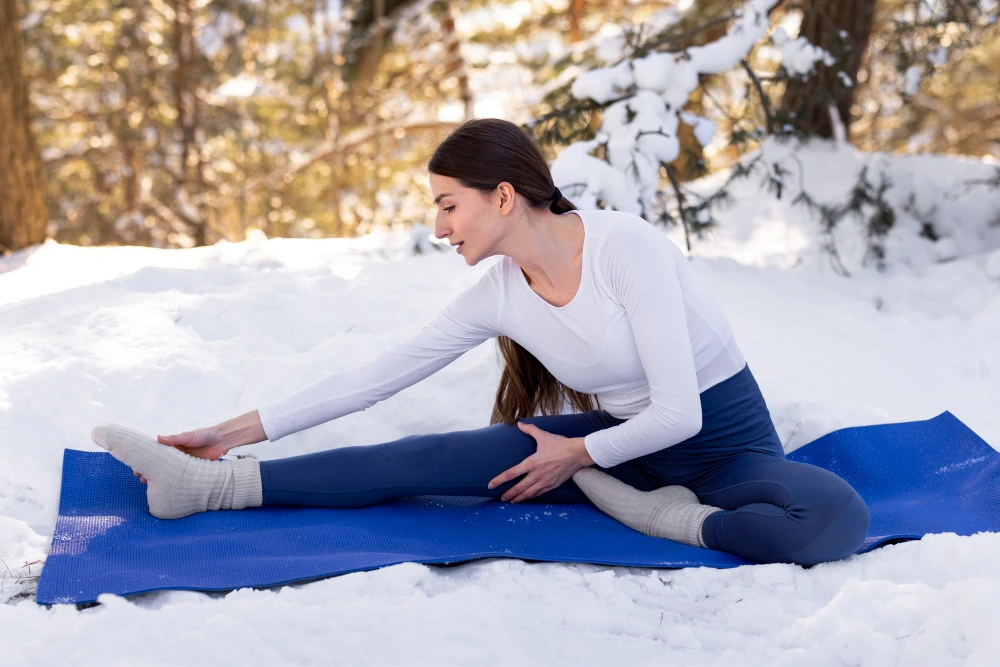
One of the largest causes of stiffening of joints during winter is reduced activity. Light exercises like stretching, yoga, walking, or light strengthening are beneficial in maintaining the lubrication of the joints and the strength of the muscles. Stiffness does not get stuck when moving around.
The cold muscles are more likely to be injured. Warm up before physical activity or chores. Basic exercises such as circle motions of the arms, leg swinging, and slow stretches warm up the joints.
Hot showers, heating pads, or hot water bottles loosen the muscles and help with the stiffness of the joints. The heat treatment is particularly effective in the morning or after sitting.
The posture is usually poor during winter because of sitting a lot indoors. Slouching maximizes the pressure on the spine, hips, and knees. The supportive chairs and neutral posture can be used to ease joint strain.
Suggest to Read :- Robotic Knee Replacement: Revolutionizing Joint Surgery
A healthy diet full of calcium, vitamin D, protein, and omega-3 fatty acids helps in strengthening the bones and decreasing inflammation. Vitamin D may need to be monitored due to limited exposure to the sun during winter.
Sudden strain does not respond well to cold joints. Do not make sudden moves of lifting, twisting, or quick movements unless prepared.
Good grip and cushioning of shoes minimizes the possibility of slips and aids in ensuring that the joints stay in the correct position during walking on cold or irregular surfaces.
The stiffness and pain of the joints in winter are typical- but not inevitable. The cold weather tests your joints due to the lack of circulation, tightness of your muscles, and idleness. You can be as comfortable and active as you can all winter long with regular movement, good posture, warmth, and orthopedic care at the right time. Preventive care is now guaranteed to make joints healthier and more mobile in the coming seasons.
Copyright @2026 Design By DigitalNetIndia